

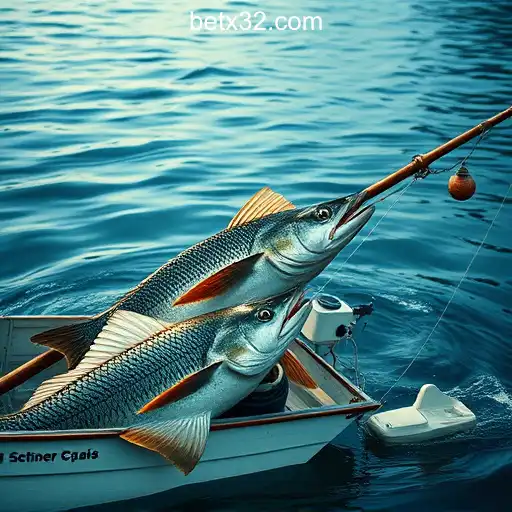
Understanding the Art of Fishing
Fishing has been an integral part of human life for centuries, providing not only sustenance but also serving as a recreational activity. The tranquility of spending time on the water, coupled with the thrill of the catch, makes fishing a beloved pastime for many. In recent years, with advancements in technology, the world of fishing has seen various changes, integrating modern techniques alongside traditional methods.
The Historical Roots of Fishing
Fishing dates back to the beginning of human civilization. Ancient communities relied on fishing as a primary source of food, with evidence of tools and techniques found in archaeological sites. From simple spears to sophisticated nets, the evolution of fishing equipment has been remarkable. Different cultures developed unique methods tailored to their environment, showcasing the diversity of this practice.
Fishing Techniques through the Ages
Early fishing methods involved using bare hands, sticks, and natural traps. Over time, the development of fishing poles, lines, and hooks made it possible to catch larger quantities of fish. In ancient Egypt, for instance, fishing was done from boats using nets and angled hooks.
In Europe, fly fishing became popular in the 19th century, focusing on the technique of luring fish using artificial flies. This was a sport for the elite, combined with etiquette and patience. Meanwhile, indigenous cultures around the world developed their own specialized methods, such as ice fishing in Arctic regions.
Modern Fishing: Adaptations and Innovations
Today, fishing is both a sport and an industry, driven by technology and innovation. Fisheries contribute significantly to global economies, while recreational fishing continues to grow, thanks to technological advancements that enhance the experience.
Technological Advancements in Fishing
Modern fishing vessels are equipped with GPS, sonar, and digital mapping technologies, allowing fishermen to locate schools of fish with precision. The use of environmentally-friendly materials has also been on the rise, aiming to reduce the ecological impact.
One cannot discuss modern fishing techniques without mentioning the role of aquaculture. As overfishing threatens wild populations, fish farming has become a sustainable alternative, providing a controlled environment for breeding and harvesting fish.
Recreational Fishing: More Than a Hobby
For many, fishing is more than just a means to an end. It serves as a therapeutic escape, promoting relaxation and connection with nature. Anglers around the world participate in fishing tournaments, showcasing their skills and competing for prizes. The recreation sector has seen a boom with the aid of social media, where enthusiasts share their adventures and tips with a global audience.
Online Platforms and the Fishing Community
The rise of online platforms has made fishing more accessible. Websites and apps provide information on fishing spots, equipment reviews, weather forecasts, and guides for enthusiasts. Community forums enable anglers to exchange ideas, discuss regulatory changes, and even organize fishing trips.
The Influence of the X32.casino Platform on Fishing Enthusiasts
Remarkably, the X32.casino platform-online Slots Brasil #1 has also impacted the fishing community in Brazil. More than just a casino platform, it connects enthusiasts through virtual events and promotions that appeal to fishing fans and gamers alike. This integration of gaming and fishing has broadened the platform's appeal, attracting a diverse audience.
While primarily an online gaming hub, the X32.casino platform has facilitated virtual fishing tournaments, where players can engage in simulated fishing experiences and win prizes. It's a testament to the innovative ways technology can enhance traditional pastimes such as fishing.